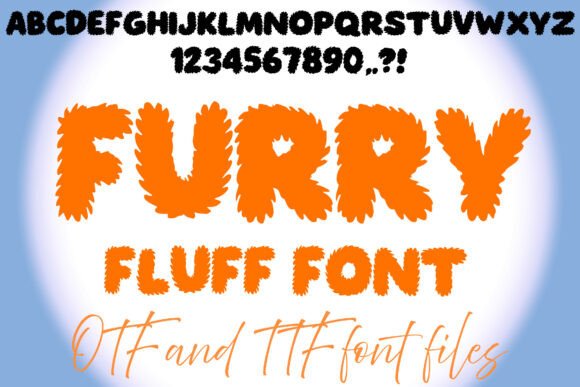
Furry Fluff: A Bold Typeface for Playful Brand Identity
I was staring at a blank artboard last Tuesday, coffee in hand, trying to crack the visual code for a new local pet bakery. The client wanted something that felt warm, approachable, and undeniably soft, but my usual go-to serif font options felt too stiff, and the standard sans serif choices lacked the necessary character. That's when I decided to test drive Furry Fluff. As a graphic designer, finding the right typeface is often the difference between a generic logo and a brand that sticks in people's minds. This decorative font immediately stood out as the perfect candidate to bring some fuzzy personality to the project.
Furry Fluff isn't just another novelty display; it is a bold and fluffy typeface designed to evoke texture and touch through typography. When I dropped it onto the screen, the letters looked like they were made of plush material. The edges are soft, avoiding the harsh geometric lines you see in modern typography, giving it an organic, hand-crafted feel. For a brand centered around animals, kids, or anything requiring a sense of fun, this font does the heavy lifting immediately. It communicates "soft" and "safe" before the customer even reads the words.
Bringing Texture to Logo Design and Branding
The first real test was the logo draft. I needed a wordmark that could stand alone on a storefront sign and still be legible on a small cookie bag. Furry Fluff shines here as a primary logo font. Because it is a display font with significant weight, it commands attention without being aggressive. I experimented with kerning, pulling the letters slightly closer together to enhance that cozy, huddled feeling. The result was a logotype that looked inviting and tactile.
In terms of brand identity, consistency is key. Using Furry Fluff across various touchpoints helped unify the brand's voice. We applied it to the shop's main signage, where the thick strokes ensured high visibility from across the street. On business cards, the font acted as a conversation starter. Clients often ask about the "fuzzy" look of the text, which opens the door to discussing the brand's commitment to comfort and quality. It proves that a well-chosen creative font can do more than just convey information; it can create an emotional connection.
Packaging Design and Product Labels
Moving from digital screens to physical products, I mocked up some packaging labels. This is where Furry Fluff truly earns its keep. On a matte finish sticker applied to a kraft paper bag, the font's soft edges contrasted beautifully with the rough texture of the paper. It made the product feel handmade and premium. For packaging design, readability is always a concern with decorative styles, but because this typeface maintains clear letterforms despite its fluffy exterior, short-form text like flavor names or ingredient highlights remained easy to read.
If you are working on merchandise, such as t-shirts or tote bags for a boutique, this font translates well to screen printing and embroidery. The bold nature of the letters ensures that the design doesn't get lost in the fabric weave. However, it is important to remember that Furry Fluff works best as a headline or accent font. I would not recommend using it for long paragraphs of body copy on a back-of-pack label. Instead, pair it with a clean, neutral sans serif font for the detailed information to maintain a professional hierarchy.
Digital Applications and Social Media Graphics
In the digital realm, Furry Fluff adds a splash of joy to web design and social media. I used it for the hero section of the client's homepage. Against a clean white background, the fluffy letters popped, creating an immediate focal point. For social media graphics, specifically Instagram stories and posts, the font allowed us to create engaging overlays on photos of pets and treats. It feels native to the platform, fitting right in with the casual, visual-heavy nature of social content.
When designing for the web, loading times and file formats matter. Most commercial fonts today come in versatile formats like OTF, TTF, and WOFF, ensuring they render crisply on all devices. Before finalizing the web implementation, I tested the font at various sizes to ensure the "fluff" didn't turn into visual noise on smaller mobile screens. At smaller sizes, the intricate details of a decorative font can sometimes blur, so sticking to larger headings and buttons is the safest bet for maintaining clarity.
Font Pairing and Visual Hierarchy
One of the most critical aspects of using a strong decorative font is knowing what to pair it with. Furry Fluff has a lot of personality, so it needs a supportive partner. In this project, I paired it with a simple, geometric sans serif for subheadings and body text. This combination created a balanced visual hierarchy; the playful font drew the eye, while the neutral font provided the necessary structure for reading. Alternatively, pairing it with a classic serif font could give the brand a more whimsical, storybook vibe, perfect for children's books or editorial spreads.
Avoid pairing it with another busy script font or handwritten font, as this can create visual clutter and reduce legibility. The goal is to let Furry Fluff be the star of the show while the supporting typeface handles the functional heavy lifting. This balance ensures the design feels professional rather than chaotic.
Practical Advice for Designers and Business Owners
If you are considering Furry Fluff for your next project, start by testing it in context. Don't just look at the alphabet sheet; type out your actual brand name and slogan. See how the letters interact. Does the "fuzziness" make any specific combinations hard to read? Check for included styles, alternates, or ligatures that might offer more flexibility in your layout. Many modern premium fonts include multilingual support, which is essential if your client operates in diverse markets.
Always verify the commercial font licensing before using it in client work. Whether you are creating design assets for a startup or a large corporation, ensuring you have the right license protects both you and your client. This font is ideal for animal-themed branding, kids' books, costume parties, or cartoon design, but its versatility extends to any brand wanting to project warmth and approachability.
Ultimately, Furry Fluff is a tool that brings a specific mood to the table. It transforms flat designs into something that feels tangible and friendly. By using it strategically in logo design, editorial design, and marketing materials, you can create a cohesive brand identity that resonates with audiences on an emotional level. It reminds us that typography is not just about reading; it's about feeling.